
Can We Revive Auftragstaktik? (IV)
Franz Uhle-Wettler
This post forms part of a series. To read the first previous installments, please see
What is Auftragstaktik? And Can We Revive It?
Franz Uhle-Wettler
(Continued)
Intent
At first sight, it seems that battle procedures in the German array differed little from the procedures of other armies. A commander made sense of his situation, came up with a plan, and assigned missions to subordinate. On the basis of these missions, the latter repeated the process, conducting appreciations, making plans, and handing out tasks to leaders who reported directly to them.
In the course of doing this, each commander communicated the results he aimed to achieve and the context of his plan. In some cases, he used an explicit statement to share this intent. In others, he wove this vision into other parts of his order.
In most armies of the nineteenth century, commanders placed great value upon the specific demands made by particular missions, the letter of the law, so to speak, rather than its spirit. The Prussians, however, gave greater weight to the intent, whether expressed or implicit, that had guided the composition of his orders. Thus, when faced with a surprise of some sort, whether crisis or opportunity, a Prussian commander enjoyed the ability to react to the new situation, even if it meant disobedience to explicit requirements of the orders he received.
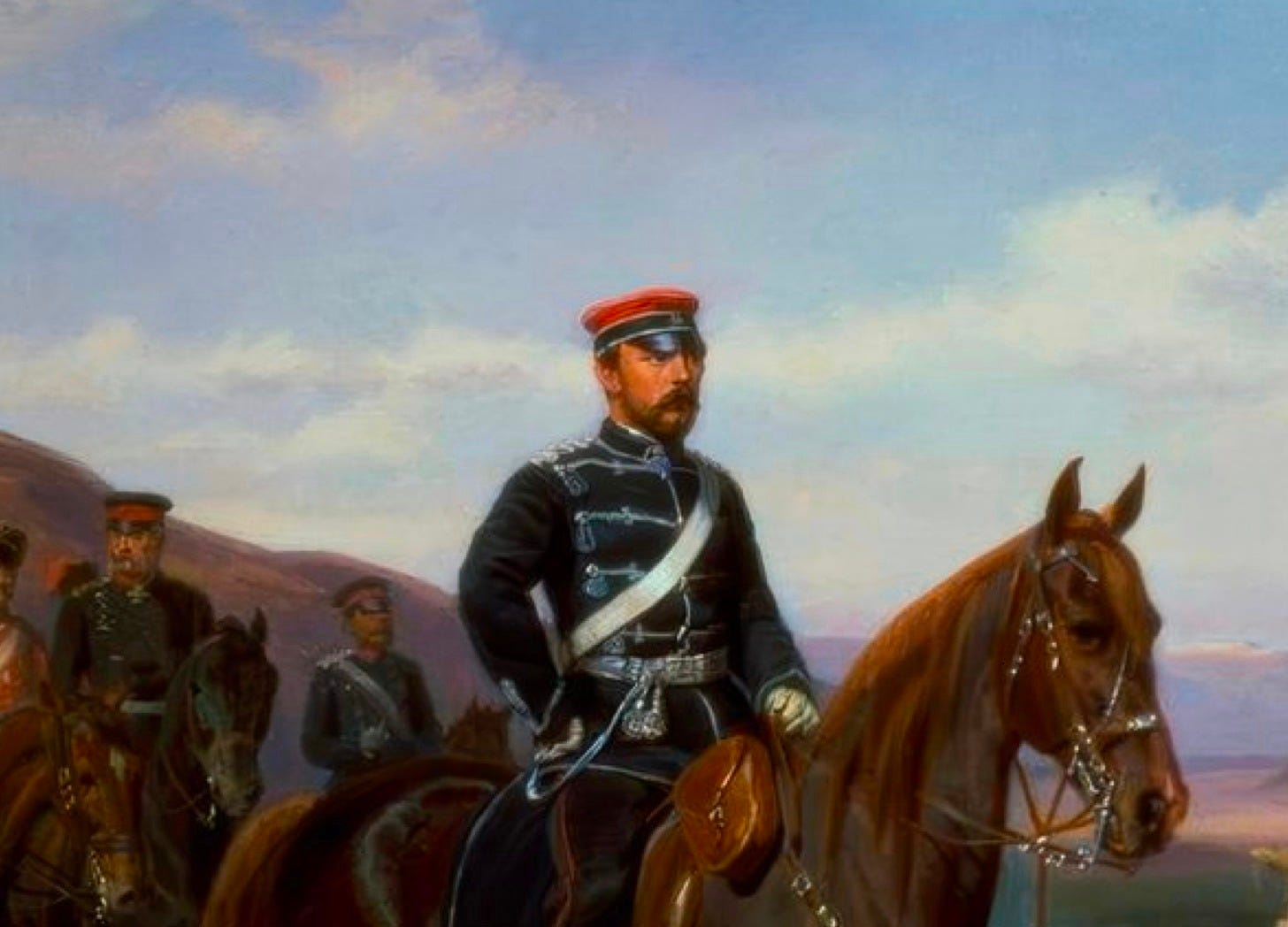
Observers of Prussian command culture often illustrated the primacy of intent by telling a story about Frederick Charles, a prince of the house of Hohenzollern who, in the middle years of the nineteenth century, commanded an army corps. During field maneuvers, the prince observed a battalion making an attack that made no sense. When he asked the commander of that battalion what he was thinking, the latter replied that he was simply doing what he had been told. This aroused the ire of the prince, who famously said ‘His Majesty made you a major because he believed that you knew when to not to obey orders.’
This anecdote accords with my own study of German Army map problems from the 1930s. Of the twenty-two exercises that I examined, eighteen required participants to determine whether or not the mission they had been given had been overcome by events and, if such a change in circumstances had taken place, how best to fulfill the intent of their commander.
To be continued …
Editor’s Note: The author gave no source for the anecdote about Prince Frederick Charles. In the near future, I will post a short piece describing my own (and, so far, futile) search for a contemporary description of that famous conversation.
Related Reading


