

The Structure of Decision Games
A Guidebook for Marines (3 of 7)

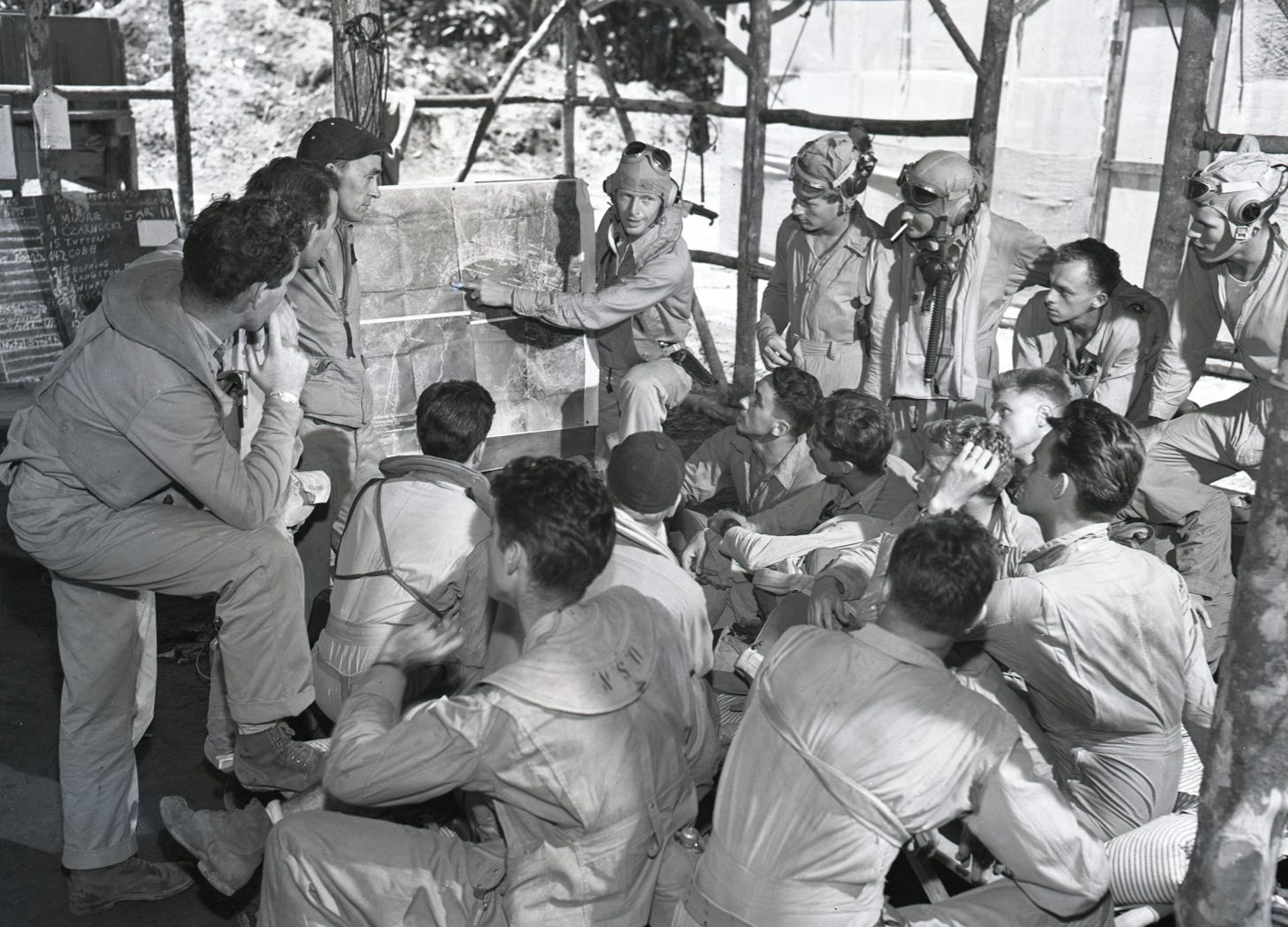
Each and every decision game consists of six elements. These are:
the ‘setting of the stage’ (also called a ‘scenario’, ‘situation’, or ‘special episode’)
the introduction of the protagonist (a leader faced with the problem)
the presentation of the problem
the Socratic conversation (also called a ‘discussion’), in which players devise, describe, and defend solutions to the problem in question
the facilitator’s critique of solutions
an opportunity for reflection
When a decision-forcing exercise centers on a single dilemma, these six elements correspond to distinct phases of a decision game, each of which follows the other in a regular manner. At other times, the component elements of a decision game are combined in various ways. For example, facilitators often combine critique and opportunity for reflection into a single activity.
(This is sometimes called an ‘after action review’ or a ‘hot wash’.) Similarly, longer decision games may take the form of a series of events in which a solution to one problem provides the setting for the next. In such instances, the cycle of ‘problem - conversation - critique’ repeats itself several times.
Guide to the Series

For Further Reading


Indecision is an obstacle.
Game how to bypass and reduce.