

Weapons/27th Marines
A decision-forcing case

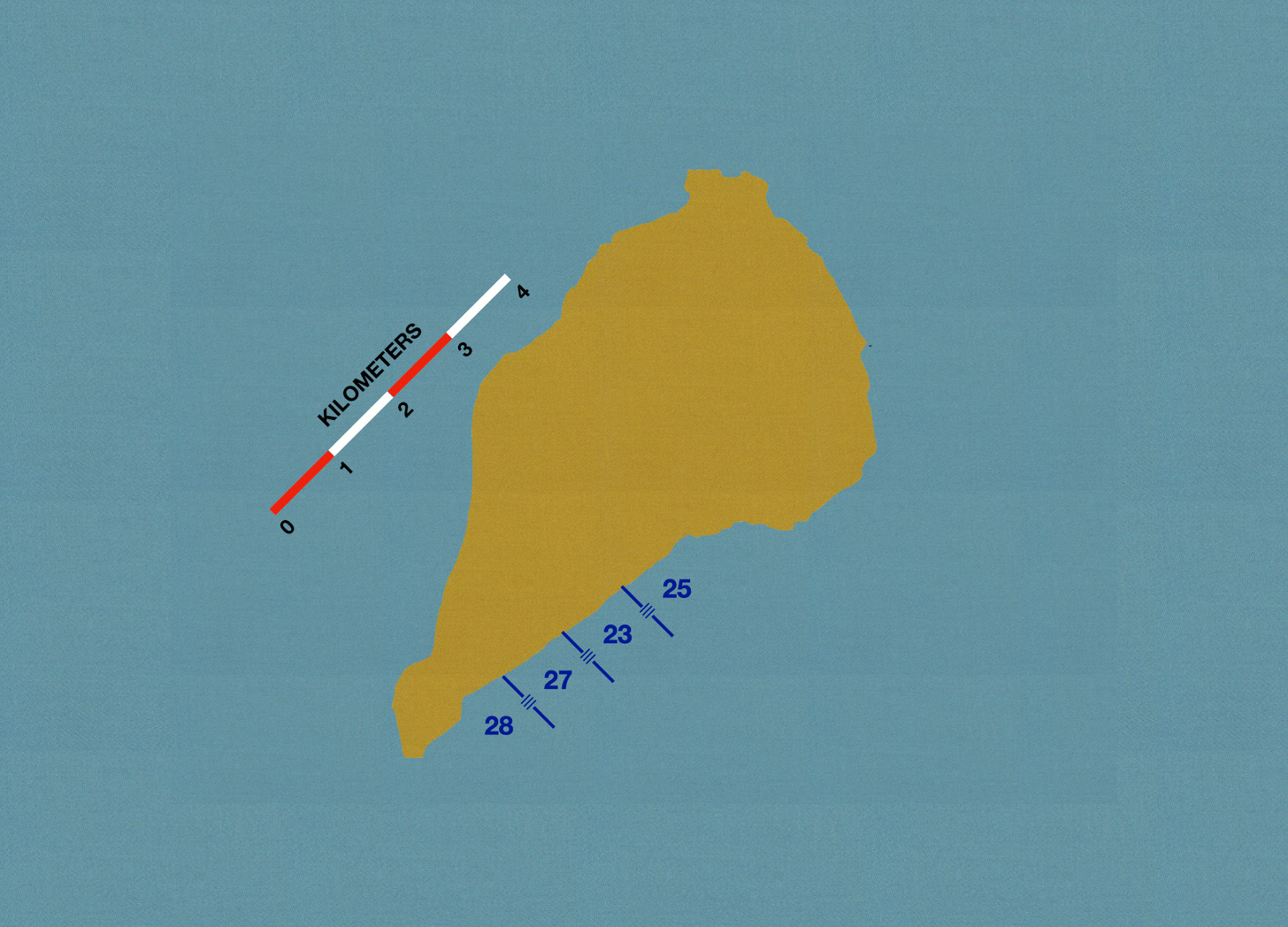
It is 19 February 1945, and you are Earl J. Stearns, a captain of American Marines who has just landed on the island of Iwo Jima.
Thirteen months ago, during the battle for Tarawa, you earned a Silver Star for ‘conspicuous gallantry and intrepidity’ displayed while leading a machine gun platoon of the 2nd Marines. Before that, you fought on Guadalcanal and served with the Marine brigade occupying Iceland.
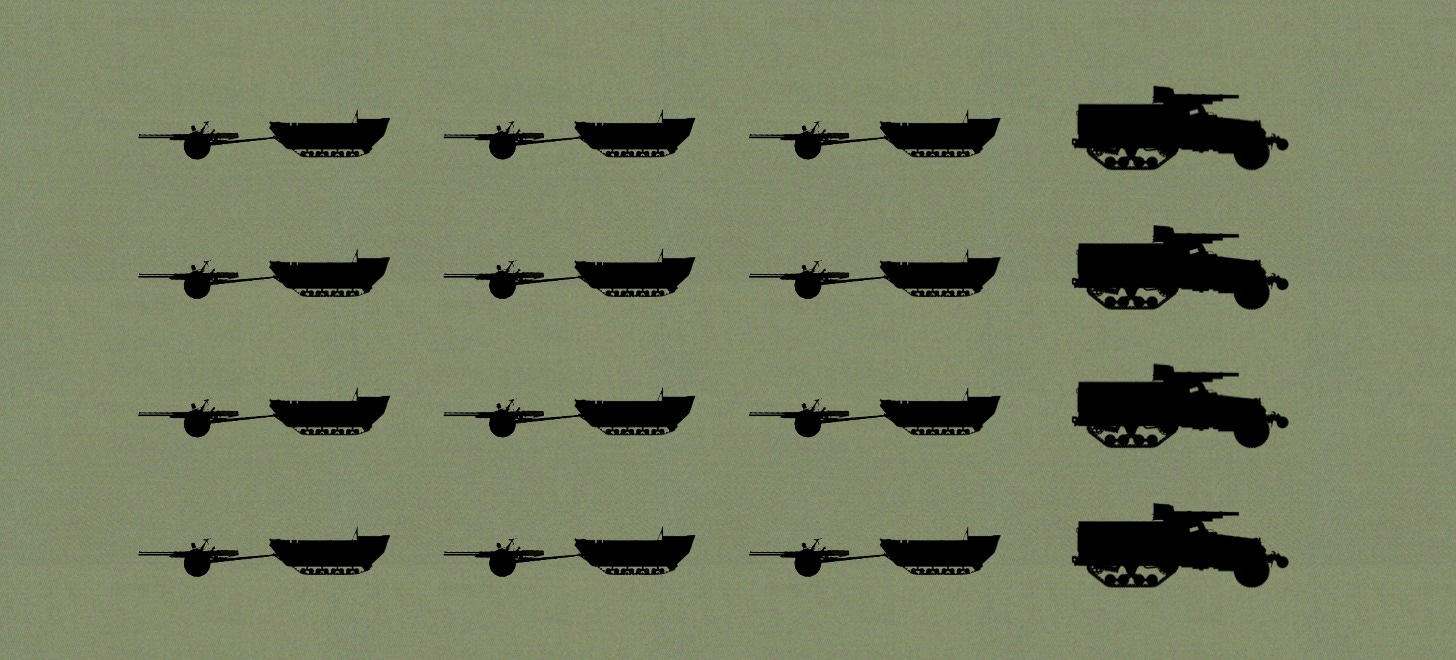
At present, you command the regimental weapons company of the 27th Marines. Armed with twelve 37mm anti-tank guns (each towed by a Weasel tracked vehicle) and four 75mm field guns (mounted in armored half-tracks), your company serves both as the anti-tank reaction force of that infantry regiment and a means of defending beaches against hostile landing craft.
The 27th Marines is one of the four Marine infantry regiments that has landed on a long, narrow beach, a piece of land with a width of four kilometers or so that runs along the southeastern edge of the island. In particular, the assault elements of each regiment - two battalions and most of the regimental weapons company - have landed on the beach while the third battalion of the regiment remains at sea, in reserve.
The first wave of the landing consisted of armored amphibious tractors, each of which sported a 75mm howitzer. The next four waves, also in armored amphibians, carried the two forward battalions. The fifth wave, mounted in Higgins boats, included two of your three anti-tank platoons, all four of your 75mm field guns, your company headquarters, and you. (The third anti-tank platoon has been attached to the reserve battalion.)
As your landing craft approaches the beach, you learn that the two forward battalions of your regiment have managed to move off the beach and advance three hundred meters or so towards the interior of the island. That’s the good news.
Now for the bad. As the ramps drop on the landing craft that carry you and your platoon, Japanese mortar shells begin to fall.
You and your men take shelter in the shadow of an escarpment that rises above the sand. Your vehicles, alas, cannot follow.
When the bombardment stops, you make a quick inventory of the situation. Thanks to the escarpment, most of your men have survived. Every one of your twelve vehicles, however, has suffered a catastrophic explosion.
As far as you can tell, two battalions of your regiment are in front of you, advancing towards their objective in the interior of the island. The third battalion has yet to land.
What do you do?
If you wish to propose a solution to the problem faced by Captain Stearns, please feel free to use the comments section at the bottom of this page. If you do this, please take care to avoid spoiling the problem with information that reveals either the historical solution (what Captain Stearns actually did) or any other events that followed.

Consolidate the Marines that are able bodied. Grab what might be salvaged and head in land to catch up with the forward elements. Communicate back to higher command your situation, position and plan of action. If naval gunfire can be brought to bare perhaps using logic and a back azmith ask for some salvos from the available naval guns. Target roughly where the hostile mortar fire might have e come from. Get off the beach and moving would the primary concern and course of action.