

Storm Troop Psychology
A view from 1944
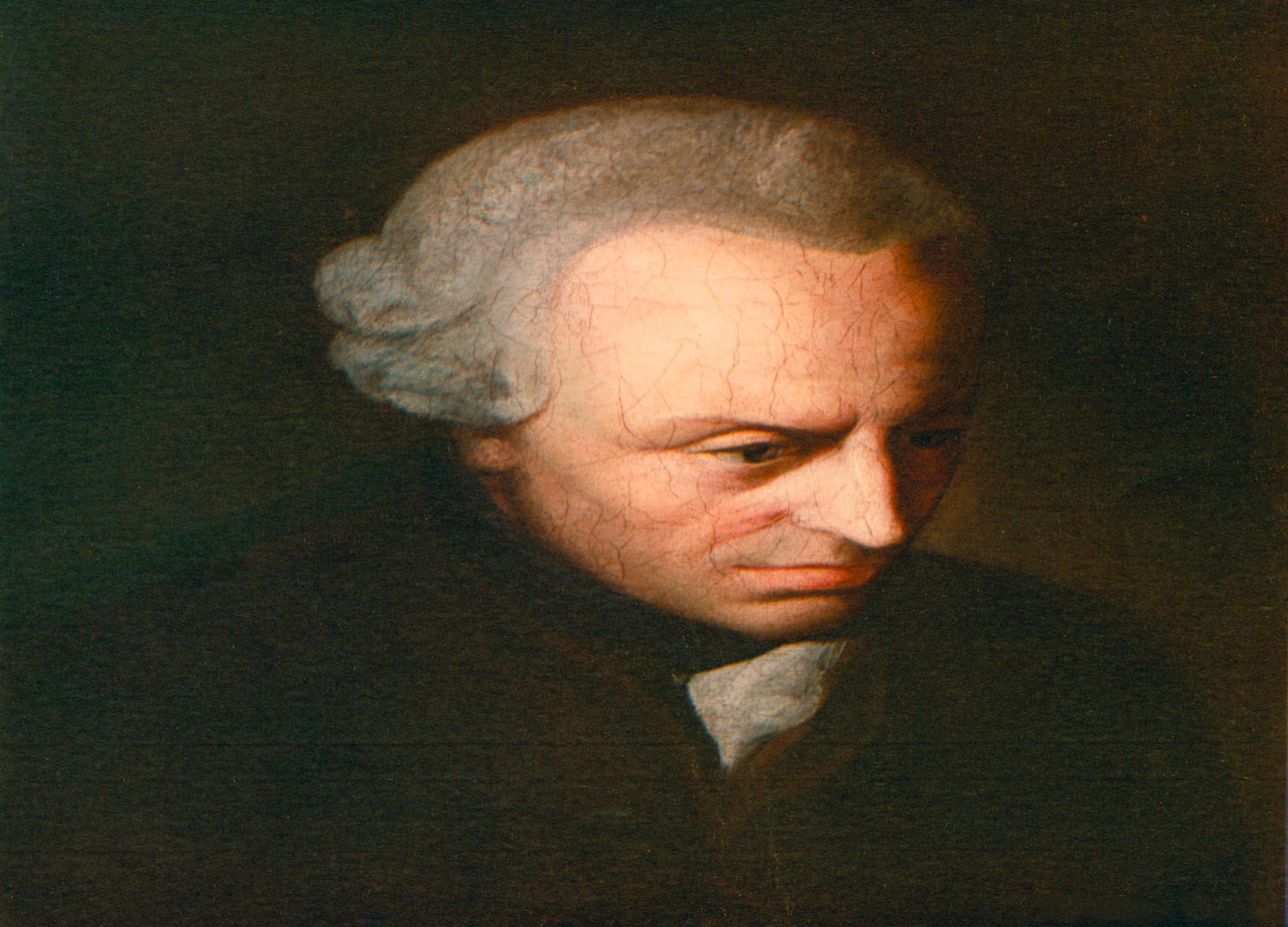
In September of 1944, Militärwissenschaftliche Mitteilungen (Military-Scientific Reports) sent its last issue to the printer. Most of the articles nested in this edition, the work of long-retired officers and other men too old to be mobilized, dealt with such matters as industrial mobilization in Great Britain and the role played by Mongolia in geopolitics. In one piece, however, a serving officer engaged questions of immediate interest to soldiers fighting in the desperate battles of the last year of the Second World War.
Written by Lieutenant Josef Weber (presumably of the Armed Forces of Greater Germany), ‘Psychological Lessons Learned Leading Scout and Assault Parties’ offers the reader a pair of surprises. Firstly, it begins with an idea borrowed from Immanuel Kant, an eighteenth-century philosopher famous for his pacifism. Secondly, while making no reference to any of the giants of the Prussian military tradition, author of the piece treats Franz Conrad von Hötzendorf, who served as chief of staff of the armed forces of the Austro-Hungarian Empire between 1906 and 1916, as an authority on tactical matters.