

Return to Normalcy
Rifle companies of the K-Series tables of organization

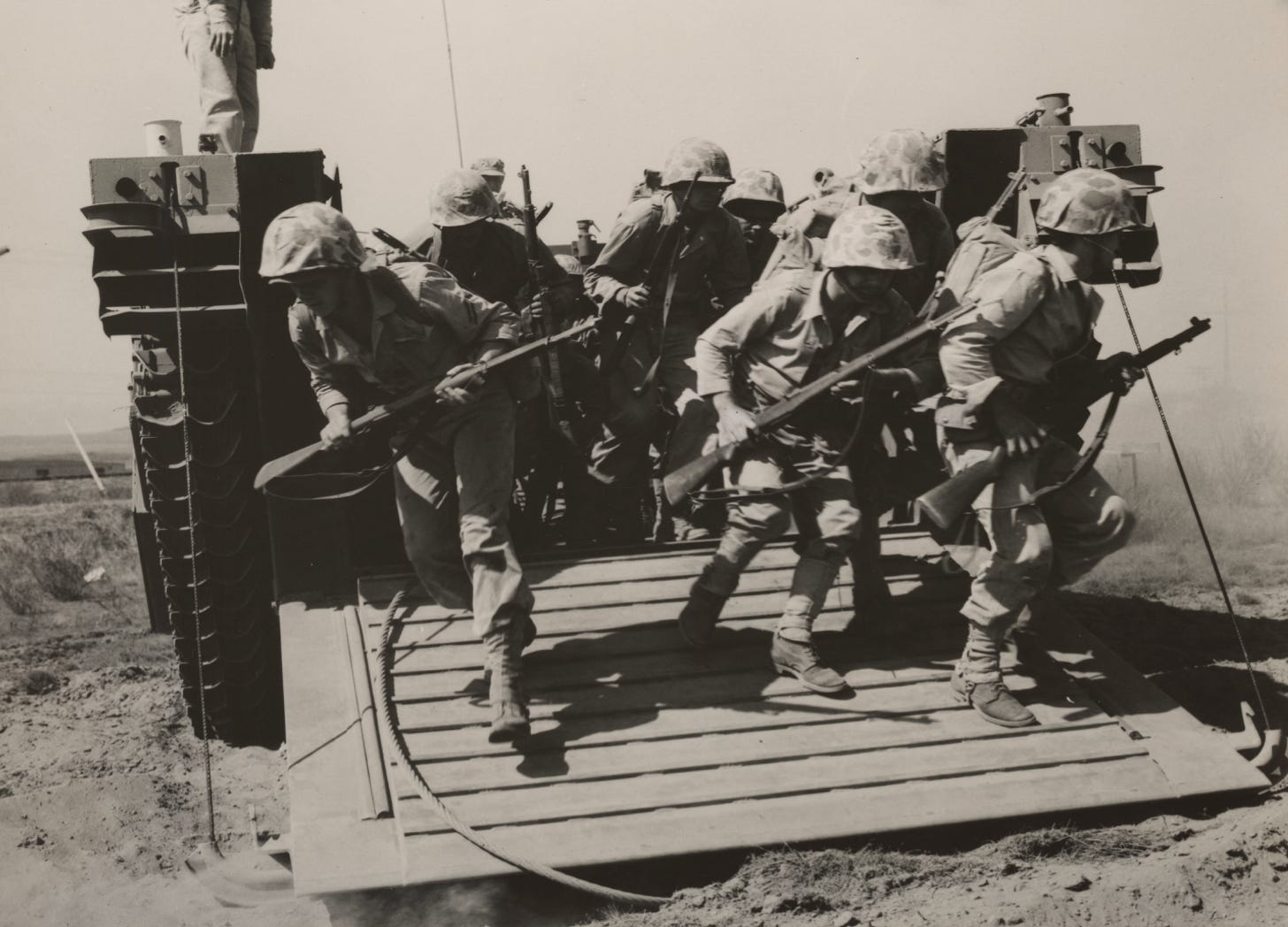
In May of 1949, the Marine Corps adopted the K-Series tables of organization. When, six months later, these establishments went into effect, the divisions of the Fleet Marine Force gained (or, to be more precise, regained) a collection of patterns for regiments, battalions, and companies that bore a close resemblance to the set of structures in use in the last year of the Second World War.
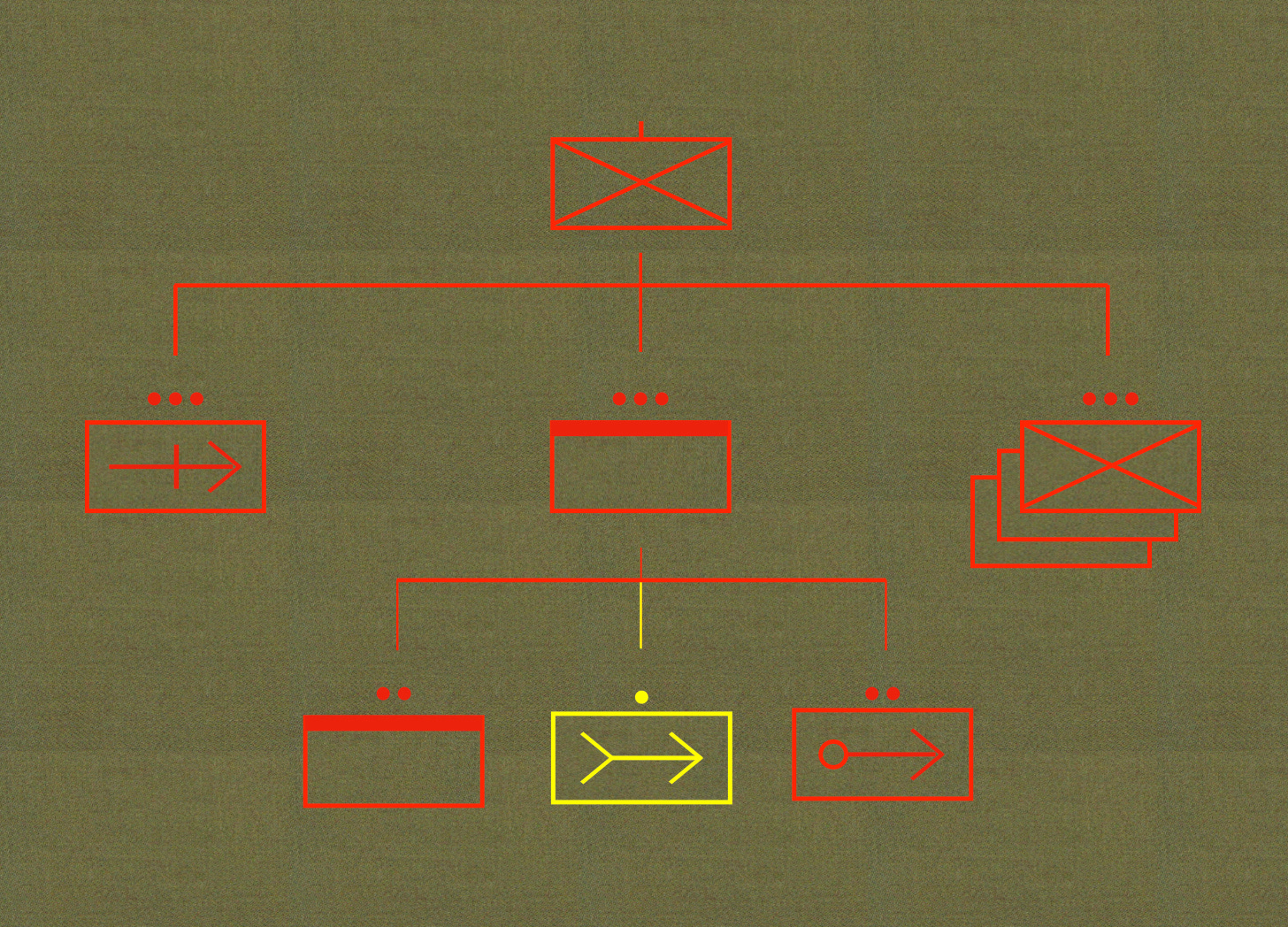
For example, the framework for rifle companies laid down in 1949 mimicked, in nearly all respects, the ideal organization for units of that type in effect in 1945. That is, each structure sported three rifle platoons, a company headquarters (with headquarters section and mortar section), and a machine gun platoon, all of the same size, structure, and equipment. Indeed, the only difference between the two establishments lay in the organization of the company headquarters. That is, while the headquarters section of 1945 employed a larger number of Marines than that of 1949, the rifle company of the latter year enjoyed the services of a seven-man ‘rocket squad’.
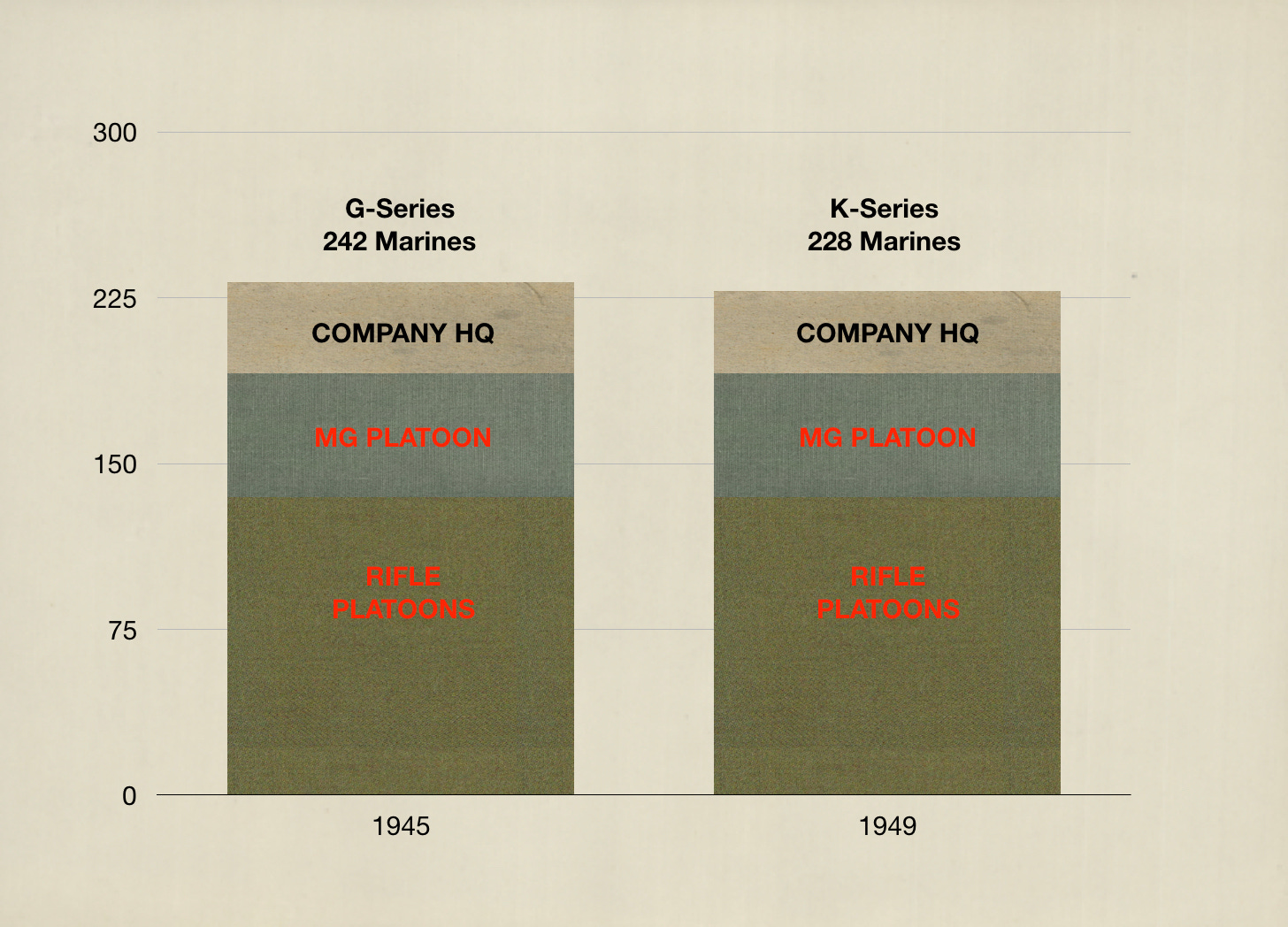
For the most part, the reduction in the size of the headquarters section resulted from the transfer of twenty-one Marines to the headquarters and service company of each battalion. In other words, it resulted from the transfer of certain support functions, from the making of meals and the driving of jeeps to the cutting of hair and the sawing of wood, to the battalion level. (By the way, this centralization of cooks, drivers, barbers, and carpenters was one of the few innovations of the J-Series establishments that the authors of the K-Series establishments decided to retain.)
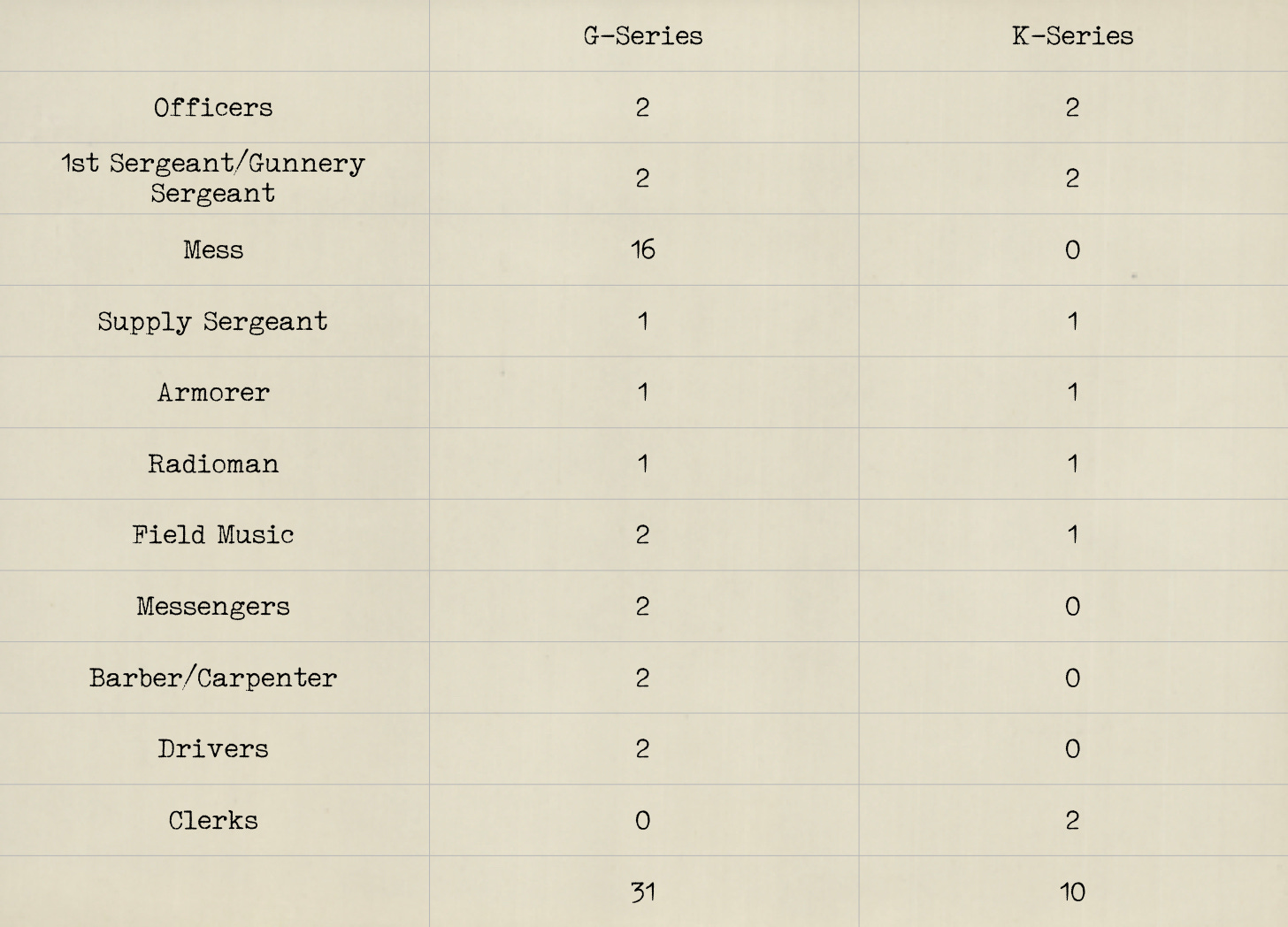
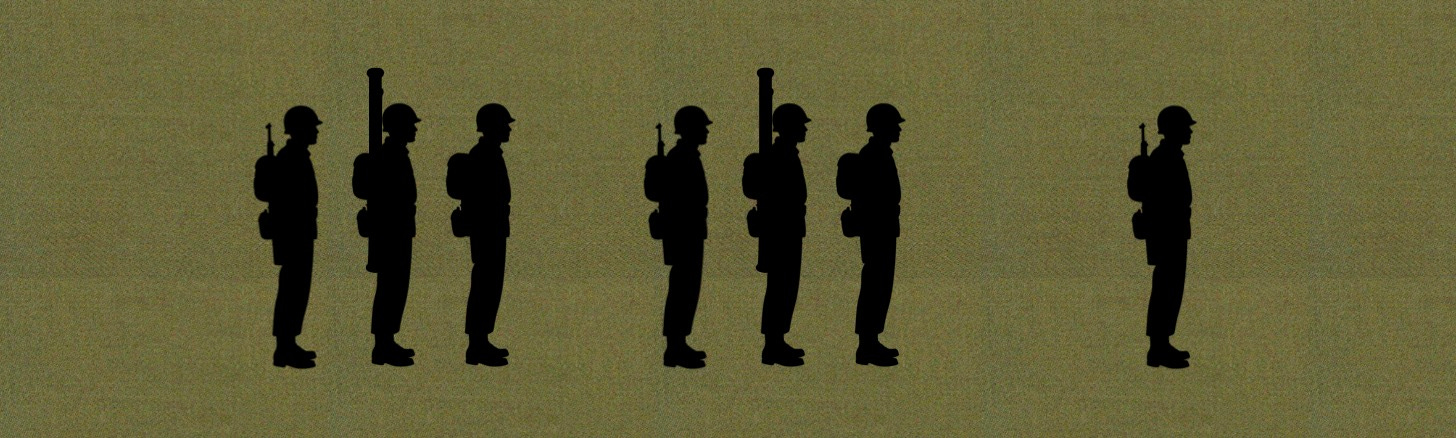
The rocket squad of the company headquarters of the K-Series rifle company rated a squad leader (who ranked as a sergeant) and two rocket launcher teams, each of one corporal and two privates.
Sources
‘The New FMF’ The Marine Corps Gazette (May 1947) pages 10-14 (Internet Archive)
‘The FMF Gets a New T/O’ Leatherneck (October 1949) pages 38-39 (Internet Archive)
John J. Sayen Battalion: An Organizational Study of United States Infantry (unpublished manuscript) Appendices 5 and 7
For Further Reading


And as it turned out, just in time.