

Infantry in Battle
A classic collection of combat case studies

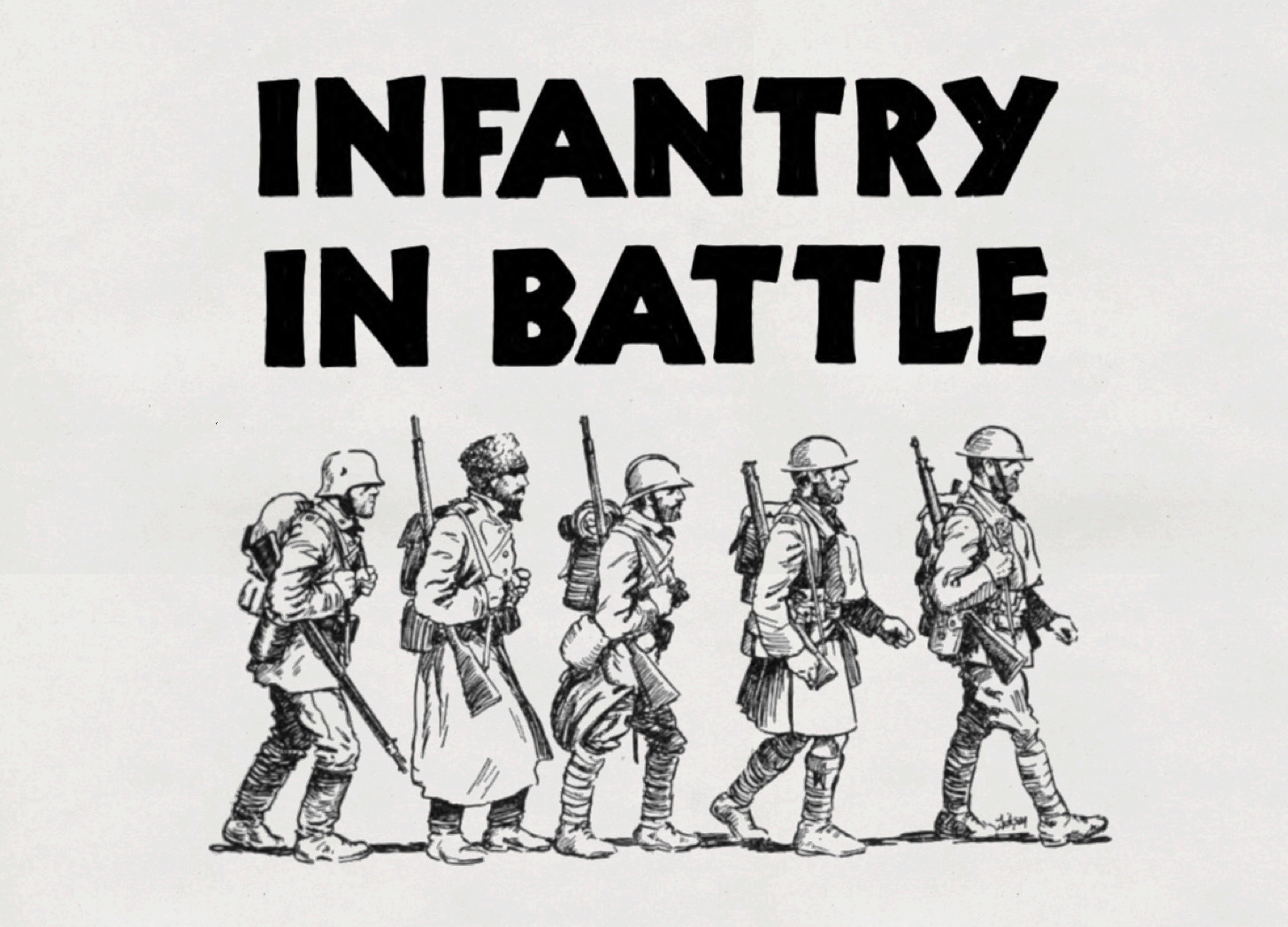
On 1 May 1934, the first edition of Infantry in Battle rolled off a printing press at Fort Benning, Georgia. Prepared, under the supervision of George C. Marshall, by the Military History and Publications Section of the Infantry School, this slim volume provided readers with a series of short case studies, each of which described a problem faced by the officer leading a platoon, company, battalion, regiment, or brigade.
Infantry in Battle begins with an introduction, written by Colonel Marshall, that explains the purpose of the work.
This volume treats of the tactics of small units as illustrated by examples drawn from the World War. It checks the ideas acquired from peace-time instruction against the actual experience of war. It emphasizes the practical as distinguished from the theoretical.

There is no lack of evidence to show that officers who have received the best peace-time training available find themselves surprised and confused by the difference between conditions as pictured in map problems and those confronted on the battlefield. This is largely because our peace-time training in tactics tends to become increasingly theoretical.

In our instruction we generally assume trained organizations at full strength, our subordinates are competent, our supply arrangements function, our communications work, our orders are carried out. In war many or all of these conditions may be absent.

The veteran knows that this is normal and his mental processes are not paralyzed when he finds himself in a situation where nothing is as he was taught to expect. He knows that he must carry on in spite of seemingly insurmountable difficulties and regardless of the fact that the tools with which he has to work are worn and broken. Moreover, he knows how to go about it.

This volume is designed to give the peace-trained officer something of the viewpoint of the veteran. By the use of numerous historical examples which tell of the absence of information, the lack of time, and the confusion of battle the reader is acquainted with the realities of war and the extremely difficult conditions under which tactical problems must be solved in the face of an enemy.

In so far as there was material available, these examples pertain to American troops and have been drawn from the personal experience monographs on file at The Infantry School. The combat experience of other armies, however, has been utilized to supplement that of our own, especially when examples were needed to illustrate problems characteristic of warfare maneuver.
You can find copies of the first edition of Infantry in Battle at the Hathi Trust and on the Internet Archive. (The former site permits the download of individual pages. The latter allows you to obtain, gratis, a PDF copy of the entire book.)
The Second Edition
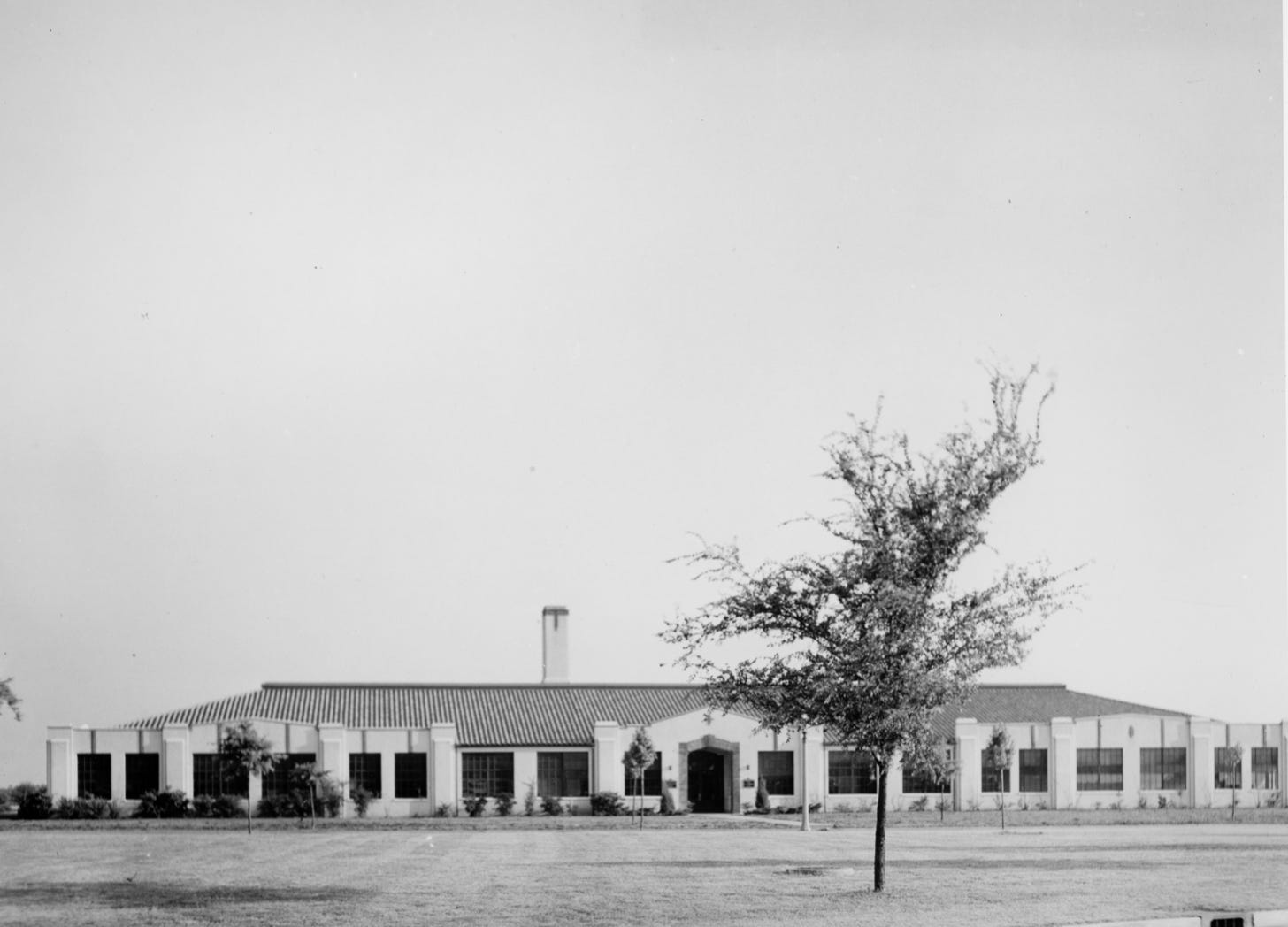
On 1 September 1938, a second edition of Infantry in Battle made its debut. Supervised by Edwin F. Harding, this version offered readers a smaller number of examples. At the same time, it provided fully descriptions of the events that remained in the book. (As Lieutenant Colonel Harding played a central role in producing this edition, I will take this opportunity to mention all of the good work done by the Harding Project.)
You can find downloadable copies of the second edition of Infantry in Battle at the websites of the Internet Archive and the US Marine Corps. If you wish to conduct key word searches within the text, the prodigious pachyderm at the Hathi Trust will be delighted to help.
Related Reading


I have this book somewhere… I hope
Definitely to be read !
The deliberate machine gun batteries as long range indirect fire in a planned deliberate attack is an idea whose time may have returned
Thank You Sir!