

CC/RCT 17 (X)
A decision-forcing case

This post continues a series of decision-forcing cases. With that in mind, I recommend that, before reading the paragraphs that follow, you read (or, better yet, work through) the previous posts in the sequence.


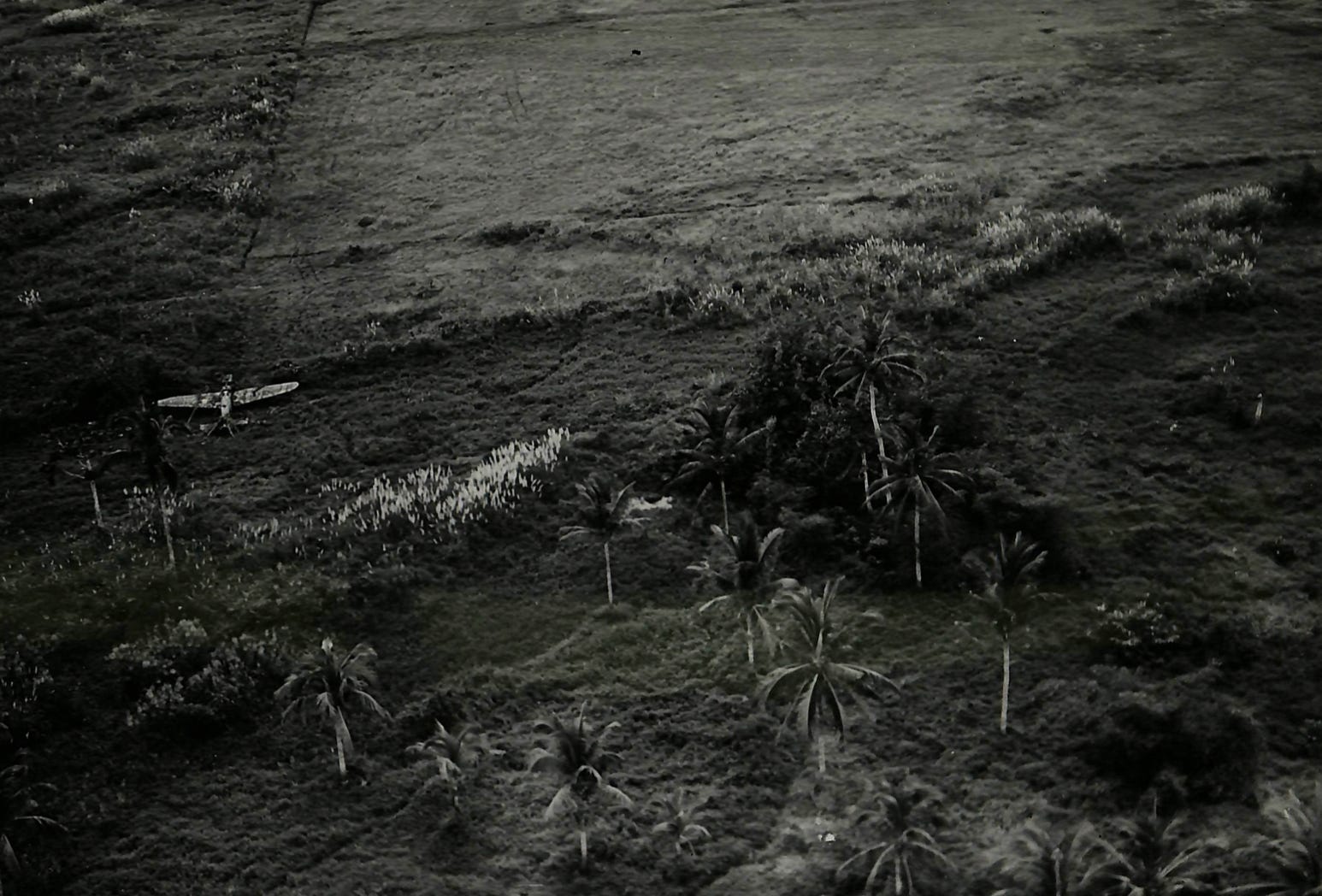
At 0700, as the lead battalion (1/17) of RCT 17 crosses the line of departure, an enemy fighter appeared in the sky over Burauen, and begin a strafing run along the length of the column. The men of the six howitzers of cannon company turn their .50 caliber machine guns towards the sky and fire. The plane turns, loses altitude, and crashes in a nearby field.
As RCT 17 resumes its advance, the 2nd Battalion of the 184th Infantry continues its conquest of the high ground northeast of Burauen.
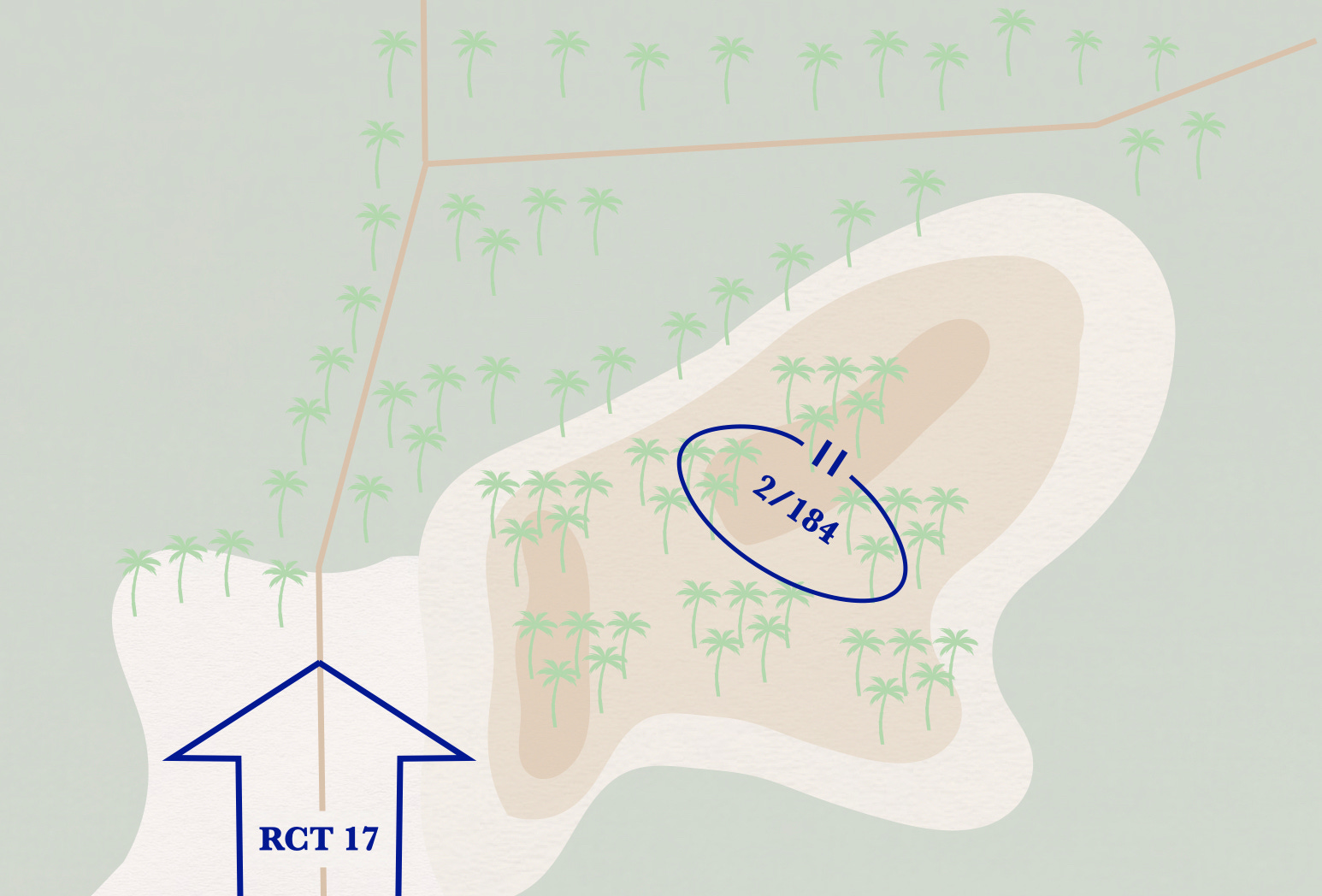
As RCT 17 moves towards the north, the howitzers of Cannon Company fire many time-fuzed high explosive shells against small groups of Japanese soldiers fighting from foxholes. Bereft of anti-tank weapons, these infantrymen fire rifles and machine guns against the armored vehicles, thereby forcing the cannoneers in the open turrets to keep their heads down.
A little more than a mile northeast of Burauen, on a side road running to the east, a company of the 2nd Battalion (F/17) runs into a Japanese ambush. You dispatch two of your platoons to assist your fellow infantrymen.
Heavy foliage prevents the howitzer crews from seeing more than a few yards in front of them, so they engage the Japanese at close range with both their 75mm howitzers and their .50 caliber machine guns. In the course of this fight, Cannon Company suffers its first fatal casualty of the campaign, a platoon commander who fell prey to small arms fire while using his .50 caliber machine gun against soldiers attempting to throw grenades into his vehicle.
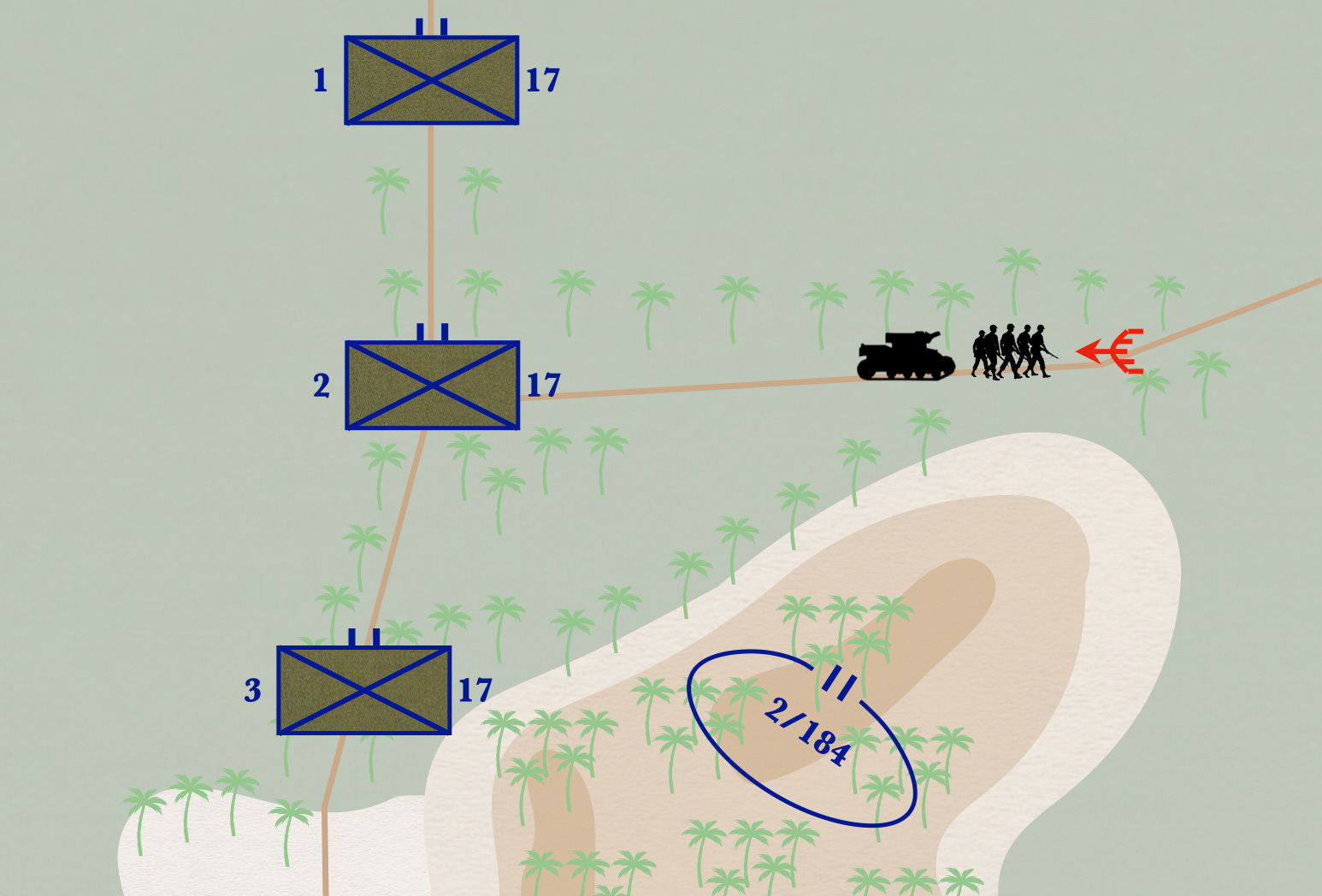
Soon thereafter, close cooperation between the four howitzers and the men of F Company eliminate the ambushers. The two platoons resume their place behind the lead battalion of RCT 17.
At 1030, you visit the regimental command post to send a message to the regimental service area in Dulag asking for the immediate return, under guard, of the three missing mechanics.
Later that afternoon, the mechanics reach the column. After a heart-felt, but profanity-free, reprimand, you order the three soldiers to get back to work.
In the three days that follow, two the mechanics performed their duties without trouble or complaint. The third, who had convinced his comrades to join him in desertion, persisted in claiming that his skills exempted him from front-line service. You therefore declare him to be a ‘mental case’ and send him to a medical facility in Dulag.
Sources
Most of the information used in this case comes from a ‘personal experience monograph’ written by Captain Denmark C. Jensen while studying at the Advanced Infantry Officers Course in 1948 and 1949. This paper, which weighs in at 41 pages, can be found among the several hundred memoirs of this sort on file at the Donovan Library at Fort Benning.
I also consulted an after-action report of the 767th Tank Battalion that I found on the website of the Combined Arms Research Library.
The official overviews of the operations of the Sixth Army, XXIV Corps, and 7th Infantry Division provided nothing more than a means of confirming unit locations at particular times.
I could not find, alas, any documents related to the service of either the 17th Infantry or the 184th Infantry on Leyte.
While extraordinarily rich in anecdotes (and thus true to its title), Leyte, 1944: A Soldiers’ Battle sheds little light on the events described in this case. (Thrift Books)